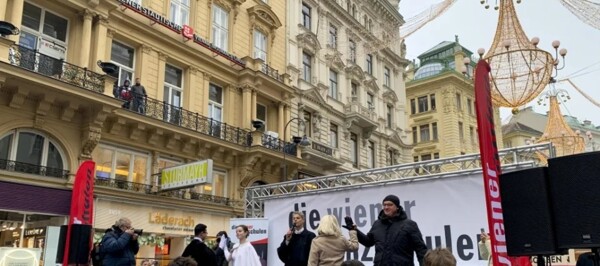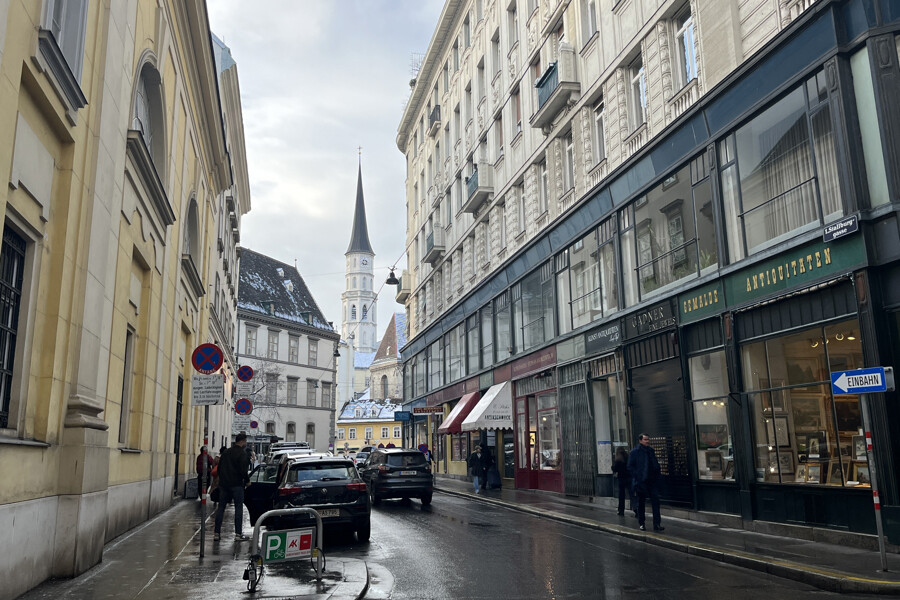
Vienna, the capital of Austria, is a model for solving the housing crisis for a century. Amidst the growing housing crisis hitting Europe, Vienna has guaranteed the right to decent housing for a century, to the point that 60% of its two million inhabitants currently live in publicly subsidized properties. The model of public and subsidized housing in Vienna has its roots in the 1920s, shortly after the end of World War I and the collapse of the Austro-Hungarian Empire. The Social Democratic Workers' Party of Austria (SDAPÖ) initiated what is known today as the era of 'Red Vienna'. Due to the poor housing conditions after the Great War, Vienna's social democrats launched a public housing program financed by a special tax. The Vienna City Council is the owner, co-owner and manager of around 220,000 dwellings, that is, more than half of all residences in the capital. It also has over 200,000 social housing units built with state subsidies but owned by housing construction cooperatives. Furthermore, all dwellings located in buildings built before 1945 are subject to a regulation that limits the rent price, often indefinitely. In 2025, the city invested around one billion euros in public housing, both in the construction of about 5,500 new units and in the maintenance of existing ones. Vienna's housing model has become a benchmark for European cities looking for alternatives to the current market model, especially in the context of the housing affordability crisis. Although Deputy Mayor for Housing Kathrin Gaál warns that 'it is difficult to copy the Vienna housing model exactly', she does assure that there are aspects that can be adapted in other cities, such as long-term public investment and land acquisition, subsidies, tenant protection and community participation.